
Beyond the Brief:
Where Every Great Design Begins
Thoughts from a designer’s experience.
– By Hanadi Feghaly, September 2026
Beyond the Brief:
Where Every Great Design Begins
Thoughts from a designer’s experience.
- By Hanadi Feghaly, September 2026
What if I told you that the most important part of a design project isn’t the design itself? People often see the final render or the finished space and think that’s where the magic happened. But for me, that’s just the final chapter. The part I enjoy most happens long before the first line is drawn.
It starts with conversations. Every client walks in with a different story, a different vision, or sometimes just a feeling they can’t quite put into words. That’s my favorite challenge. Through those conversations, ideas begin to evolve. The best ones are never mine alone, and they’re never the client’s alone either. They grow through trust, curiosity, and a willingness to explore together.
As the journey unfolds, the project becomes something bigger than either of us imagined.And that’s my favorite moment,when an idea that started as a simple conversation becomes a real place that people can walk through, and connect with.That’s when I know the design has truly come to life.
1. Listening Before Designing
Before any sketches are made or concepts are developed, I believe the most important part of the design process is listening.
Every project begins with understanding the client, not just what they want to create, but why they want to create it. I take the time to uncover the story they want to tell, the audience they want to connect with, the emotions they want the space to evoke, and the challenges they hope to solve. These conversations become the foundation of every design decision that follows, ensuring the final outcome is meaningful and purposeful.
2. Understanding the Vision
This stage is about translating ideas into design opportunities. Clients often communicate through references, emotions, brands, or experiences they admire. My responsibility is to read between the lines and identify the essence of what they’re really looking for. This is where strategy meets creativity.
3. Adding the Designer's Perspective
As an experienced designer my role isn’t simply to execute instructions, if that were the case, design would lose its soul.This is where I bring my experience, creativity, and perspective into the process. I challenge ideas when they can become stronger.
The goal is never to replace the client’s vision. The goal is to elevate it.
4. Building the Concept
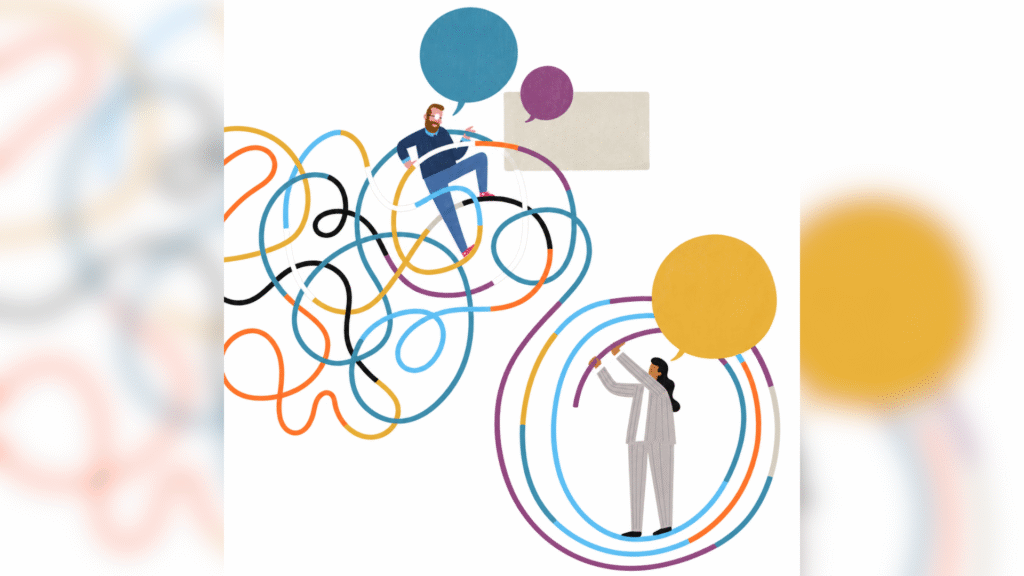
Once we align on the direction, the project begins to take shape.Concepts, mood boards, materials, layouts, lighting, colors, and spatial experiences all come together to create one cohesive story.Every design decision should support the overall vision.Nothing is chosen by accident.
5. Seeing the Vision Come to Life
As a designer, once my design is approved, I stay involved to make sure the final result is as close as possible to what I presented in the render.At this stage, I have to be very specific with the client. Materials, finishes, colors, dimensions, lighting, and details all need to be clearly discussed and approved. Sometimes we face difficulties because a material is unavailable, the budget changes, or something cannot be executed exactly as designed. I need to explain these situations clearly to the client and propose solutions that still respect the approved design.
I also communicate closely with contractors, suppliers, and fabricators. I check details, answer questions, review changes, and make sure everyone is working toward the same result.For me, seeing the final project look like the vision I presented is one of the most satisfying parts of being a designer. Seeing the client happy with the result and watching people experience the space makes all the work behind it worth it.
Embracing Change
Throughout my experience, I’ve learned that changes are part of almost every project. A client can change their mind, introduce a new requirement, or prefer a different direction once they start seeing the design develop.
When this happens, I try to understand what changed and why, then adapt the design while keeping the main vision clear. Sometimes this means rethinking an idea completely. Other times, a few adjustments can make all the difference.
At MICE International, we work closely with our clients throughout this process. I share my recommendations, explain the impact of different choices, then help the client reach a direction that works creatively and practically within the project requirements.
Final Thoughts
Every project teaches me something different. Working with different clients, ideas, requirements, or challenges has taught me the importance of listening, communicating clearly, knowing when to adapt, and knowing when to stand behind a design decision.
My experience allows me to bring a different perspective to the client’s vision. I guide them through decisions, suggest new possibilities, solve problems along the way. Every choice should have a clear purpose.
For me, a successful project brings the client’s vision together with my creative input. The result should work in reality, reflect the original idea, and create an experience people will remember.
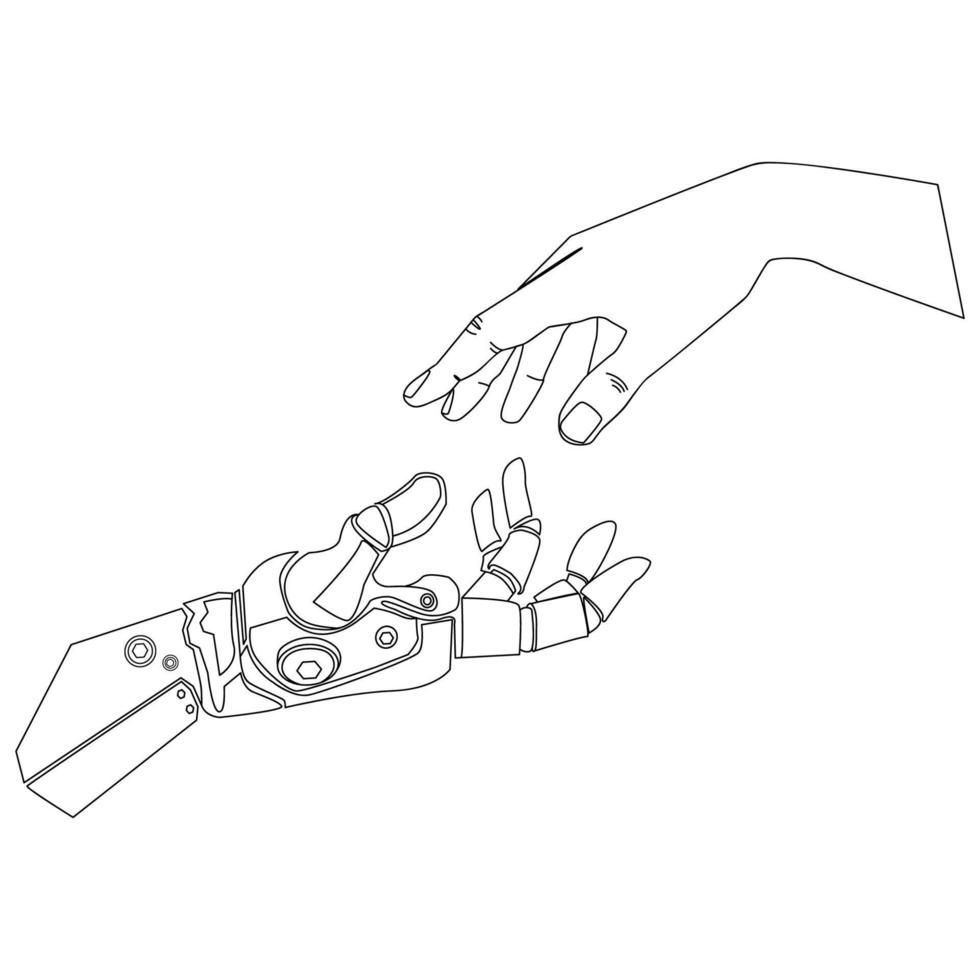
As AI becomes more involved in design, it leaves us with an important question: Will AI ever be able to understand what a client is envisioning , build a relationship with them, earn their trust, challenge their ideas, and navigate all the conversations that shape a project? Because design is more than the final render. It is the dialogue, the decisions, and the human connection behind it.