
The Psychology of Events: Why the Real Outcome Happens Before You've Said a Word
Discover how psychological design — not just logistics — drives the real ROI of corporate events. Insights from a decade in MICE event management

– By Noura, July 01, 2026
The Psychology of Events: Why the Real Outcome Happens Before You've Said a Word
Discover how psychological design — not just logistics — drives the real ROI of corporate events. Insights from a decade in MICE event management
- By Noura, July 01, 2026
After more than a decade managing corporate events, I’ve learned to do something most people in this industry rarely get time for: stand still during a live show and just watch.
Not the stage. Not the AV checks. The people.
How they walk in. Whether their shoulders drop when they enter the room. Whether they linger near the welcome drink or rush past it. Whether the registration queue makes them tense before they’ve even said hello to anyone. These moments, long before any keynote or activation, are where I’ve come to believe the real outcome of an event is decided — not at the close of day two, but in the first ninety seconds
The First Ninety Seconds
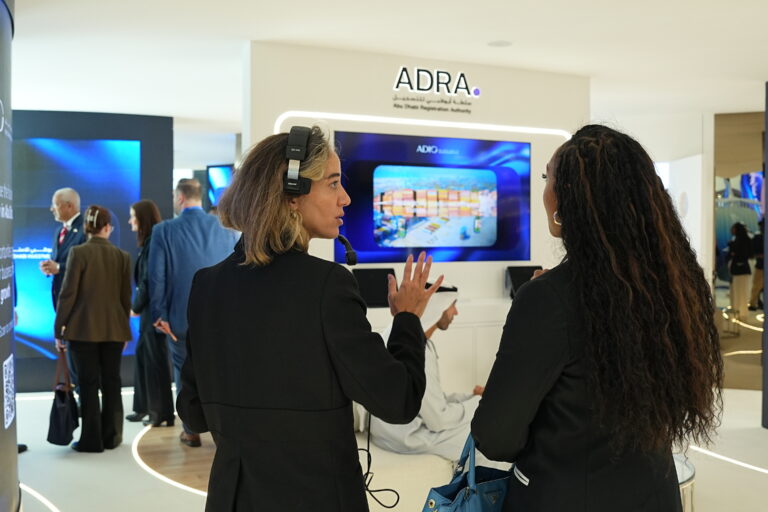
That habit of watching eventually turned into a habit of asking. Post-event surveys became less about satisfaction scores and more like structured curiosity:
- How was your experience getting here?
- Did the welcome drink, the moment you arrived, lift your mood — or was it just another transaction?
- Did we start at a time that felt right, neither rushed nor draggy?
- Did the room layout make you want to stay, or did it quietly push you toward the exit?
Each event produces its own fresh set of these questions. None of them are about the content on stage on their own — they’re about how attendees felt moving through the entire journey, arrival to departure, with the agenda as one part of that continuum rather than the whole of it. Strong programming is essential; it’s also not sufficient on its own. The psychology of the experience is what determines whether attendees are actually present enough to get value from the content you worked so hard to curate.
“Every great event tells a story. At MICE International, we ensure your audience feels it before a single word is spoken.”
The Business Case Nobody's Pricing In
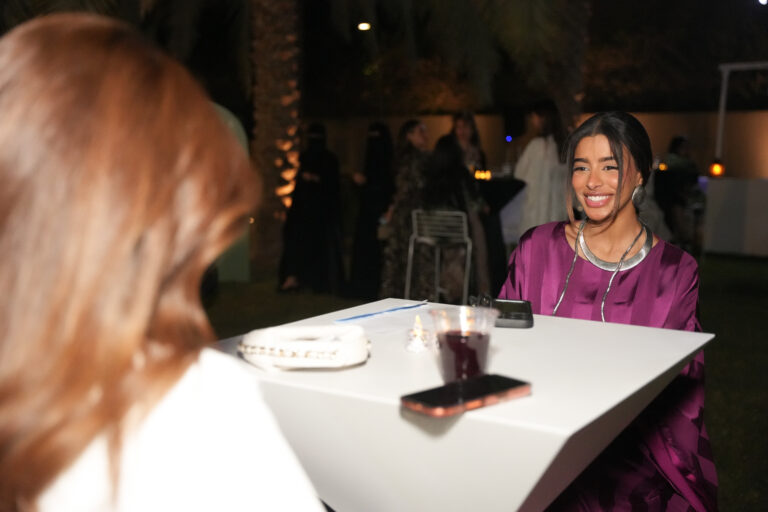
For a corporate client commissioning an event, the measurable goals are usually clear: lead generation, stakeholder alignment, brand recall, employee engagement. What’s less visible is that all of these outcomes are downstream of something psychological first. An attendee who felt anxious in registration, rushed at the start, or disoriented in the room is not arriving at the keynote in the mental state needed to absorb your message, network meaningfully, or walk away with a positive brand association — regardless of how good the content is.
This isn’t just industry intuition. Recent peer-reviewed research on in-person business events has found that the cognitive overload created by multiple simultaneous stimuli — presentations, exhibitor booths, networking pressure — directly affects attendees’ emotional well-being and their intention to attend future events. In other words, the design of the experience around the content has a measurable effect on whether your event achieves its commercial goals, separate from whether the content itself was strong.
Other recent event-design research backs this up from a different angle: soundscapes, spatial design, and even how informed attendees feel about logistics (schedules, crowd flow, navigation) all measurably affect stress levels and engagement during business events. None of this is about decoration. It’s about cognitive and emotional load — the things that determine whether an attendee is in a receptive state when you actually need them to be.
“Every event begins long before the opening keynote. It begins with the first impression, the first interaction, and the first emotion”
Where AI Fits — and Where It Doesn't

We’re in a moment where AI is being layered onto almost every part of event planning: registration, personalization, scheduling, even elements of spatial and visual design, alongside sentiment analysis during live shows. Much of that is genuinely useful, and I use these tools myself.
But there’s a distinction worth making for corporate clients evaluating event partners: AI can optimize logistics and surface patterns in attendee data. It cannot stand in the doorway and notice that someone’s posture changed the moment they walked into a poorly lit room. It cannot sense that a five-minute delay before doors opened felt like fifteen because the queue had nothing to look at. That layer of observation, and the judgment calls that follow from it, is still squarely a human discipline.
The word psyche (Greek: psykhē) is rooted in ideas of breath, spirit, and life — not data points. It’s a useful reminder that the discipline of event psychology isn’t a soft add-on to logistics. It’s the actual design layer that determines whether your logistics succeed at their job.
What to Ask Before You Sign the Contract
If you’re a corporate client evaluating event partners, production value and a well-curated agenda remain the foundation — neither should be compromised. But it’s worth adding one more question to that evaluation: who on this team is paying attention to how attendees will feel at each transition point — arrival, the first ten minutes, the gaps between sessions, departure? Strong content delivered into a poorly designed journey underperforms. Strong content carried through a well-designed journey is where the outcome you’re paying for actually gets built.